
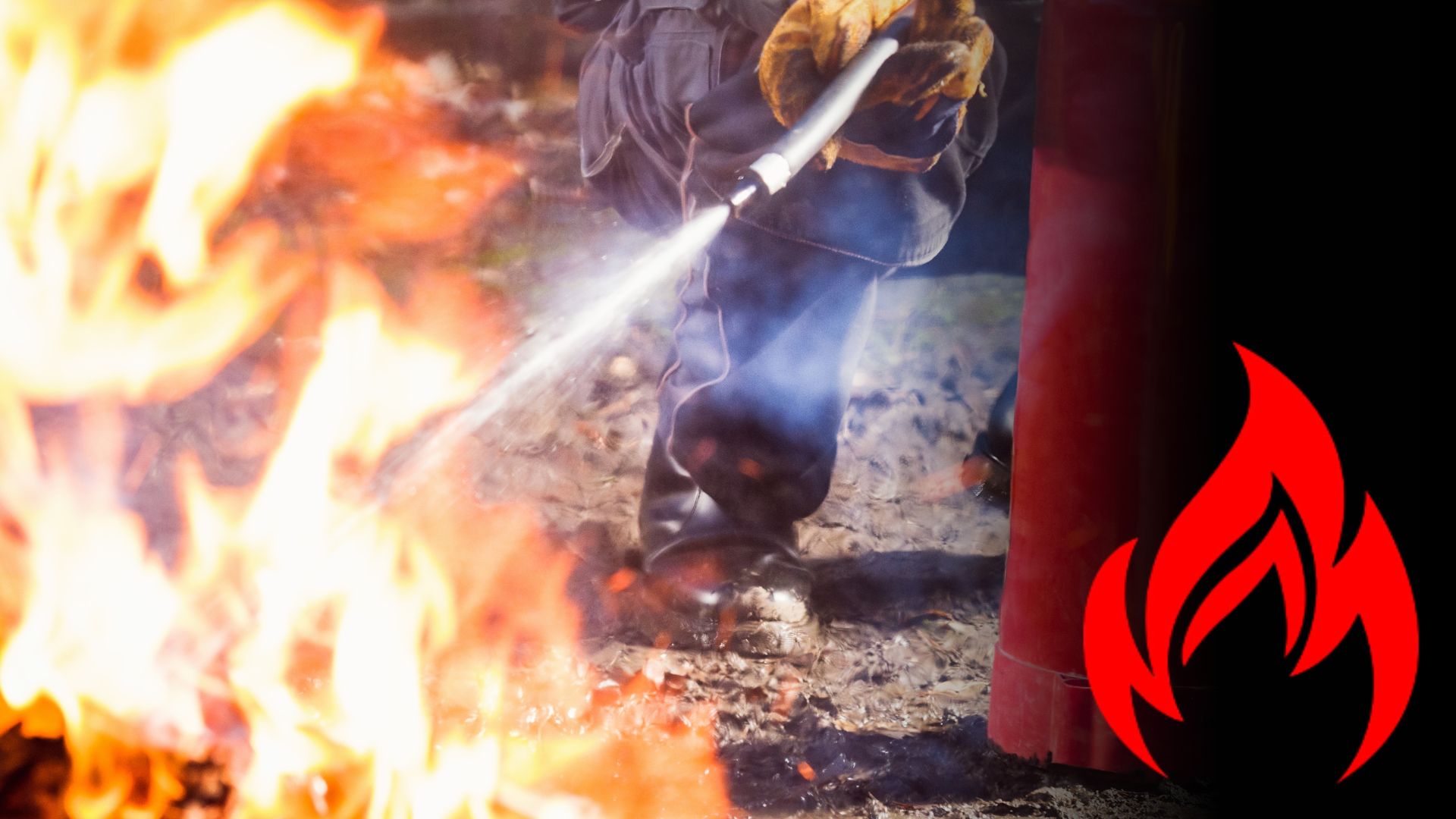
The wildfire burning across Langdale Moor in North Yorkshire has left a trail of destruction, and a vivid warning about increasing fire risk.
Fire crews have battled the deep-seated peat blaze – further complicated by WWII ordnance detonations – having to manage precautionary evacuations at Woodsmith Mine, road closures and smoke seen far beyond the coast. As well as testing the fire crews, the incident has highlighted just how quickly dry heather and peat can transition from scenic to explosive under the right weather conditions.
Why weather is the big driver
Warmer spells, longer dry periods and more frequent heatwaves are increasing the number of days when fuels (grasses, heather, bracken and underlying peat) dry out enough to burn intensely, heightening the fire risk. Back in 2022, the Met Office recoded a record-breaking in the UK fire risk season, attributing the severe fires that tore through the country to human-driven climate change. Projections indicate extreme fire risk weather will rise globally (+14% by 2030, +30% by 2050, +50% by 2100), with UK modelling showing more dangerous fire-weather days on the horizon as the mercury rises.
Depressing assessments indicate that if weather patterns remain as they are, the fire risk weather season could well extend into spring and late summer/autumn. This year has already seen large incidents across the country and there are concerns that 2025 could surpass previous records, even those in 2022. For the people evacuated from their homes in North Yorkshire will certainly agree.
Moorland and peat fire risk
The Langdale Moor is made up of carbon-rich peat. Once ignited in dry conditions, the peat can smoulder underground for days to weeks, resisting suppression, producing heavy smoke and re-emerging far from the fire front. Research shows UK peat fires dominate fire-related carbon emissions, despite peat covering a smaller share of burned area, carrying hefty climate and ecological costs. Local authorities in the North York Moors warn explicitly that dry heather, bracken and grass can ignite like straw and burn down into peat, which is why recent rainfall often only dampens the surface.
Hot, windy, low-humidity days rapidly cure vegetation and can drive fast-moving flame fronts. In peat landscapes, intensity also includes persistent subsurface combustion that defeats traditional tactics and endangers responders – also not helped by a number of unexploded WW2 bombs scattered across the moor!

Image source: North York Moors Moorland Organisation
Managing the fire risk
The Fire Severity Index (FSI) – produced by the Met Office for Natural England – helps decide when to restrict access on open-access land during ‘exceptional’ conditions (Level 5). It’s not a prediction that a fire will start; it’s an assessment of how severe it could become if one did, based on temperature, wind, time of year and recent rainfall. In practice, high FSI levels can trigger closures on moorland to reduce accidental ignitions.
On the ground, three strategies matter most:
- Prevention: Public behaviour (no disposable barbecues, careful with cigarettes, paying attention to closures) is vital – most UK wildfires are human-caused.
- Landscape resilience: Re-wetting peatlands and blocking drains reduce the chance that fires dive into peat and smoulder for weeks, cutting carbon loss and recovery time.
- Response and planning: Investment in specialist wildfire training/equipment, aerial water support on remote moors, and better fire-danger rating systems tailored to UK fuels improves outcomes during high-risk windows.
Why passive fire protection matters more as fire risk worsens
Hotter, drier spells mean more days when fires can start and escalate quickly, sometimes reaching built-up areas. When a fire does reach a building, passive fire measures buy the most precious commodity of all… time. Properly specified, fitted and maintained fire doors hold back flames and, crucially, smoke, protecting escape routes so people can get out and crews can get in. Efficient compartmentation slows the spread from one room or area to the next, giving everyone the best chance.
In the UK, this isn’t just best practice, it’s the law. The Fire Safety (England) Regulations 2022 require responsible persons in multi-occupied residential buildings to check common-area fire doors quarterly and flat entrance doors annually, with simple checks aimed at confirming doors close and seal correctly. Done properly, these checks keep doors performing as designed when conditions turn severe.
Sadly, it’s unlikely that the Yorkshire fires will be a one-off. They likely to be part of a broader shift where hotter, drier spells and parched fuels like the peaty Yorkshire moorlands will make UK wildfires more likely and harder to fight. As summers warm up and springs remain drier, the country should expect more frequent high-danger days and more intense events.
Acting early, through smarter access management, public vigilance and sustained support for fire services will determine whether incidents like Langdale Moor become rarer close calls or a regular summer headline. Should the worst happen again, buildings that maintain their passive fire protection systems will be safer, easier to evacuate and more resilient when incidents occur.